Wednesday, August 5, 2009

Nisfu Syaaban

Ya. Rata-rata ramai yangsudah mengetahui bahawa malam ini ialah malam nisfu syaaban. Tadi sempat juga berjemaah di Masjid dan baca Yaasin 3 kali. Alhamdulillah.

Tapi, apa maknanya malam nisfu syaaban ni? Apa yang special? Banyak yang saya tak tahu rupanya.

So, masa nak tulis post ni, searh la kat google about Nisfu Syaaban.

Jadi saya jumpa ini. (Copy paste je)

Nisfu dlm bahasa arab beerti setengah. Nisfu Syaaban beerti setengah bulan Syaaban. Malam Nisfu Syaaban adalah malam lima-belas Syaaban iaitu siangnya empat-belas haribulan Syaaban.

Malam Nisfu Syaaban merupakan malam yang penuh berkat dan rahmat selepas malam Lailatul qadr. Saiyidatina Aisyah r.a. meriwayatkan bahawa Nabi saw tidak tidur pada malam itu sebagaimana yg tersebut dalam sebuah hadis yg diriwayatkan oleh Iman Al-Baihaqi r.a:


Rasulullah saw telah bangun pada malam (Nisfu Syaaban) dan bersembahyang dan sungguh lama sujudnya sehingga aku fikir beliau telah wafat. Apabila aku melihat demikian aku mencuit ibu jari kaki Baginda saw dan bergerak. Kemudian aku kembali dan aku dengar Baginda saw berkata dalam sujudnya, "Ya Allah aku pohonkan kemaafanMu daripada apa yg akan diturunkan dan aku pohonkan keredhaanMu daripada kemurkaanMu dan aku berlindung kepadaMu daripadaMu. Aku tidak dapat menghitung pujian terhadapMu seperti kamu memuji diriMu sendiri."
Setelah Baginda saw selesai sembahyang, Baginda berkata kpd Saiyidatina Aisyah r.a. "Malam ini adalan malam Nisfu syaaban. Sesunguhnya Allah Azzawajjal telah datang kepada hambanya pada malam Nisfu syaaban dan memberi keampunan kpd mereka yg beristighfar, memberi rahmat ke atas mereka yang memberi rahmat dan melambatkan rahmat dan keampunan terhadap orang-orang yang dengki."

Hari nisfu sya'aban adalah hari dimana buku catatan amalan kita selama setahun diangkat ke langit dan diganti dengan buku catatan yang baru. Catatan pertama yang akan dicatatkan dibuku yang baru akan bermula sebaik sahaja masuk waktu maghrib, (15 Sya'aban bermula pada 14 hb sya'aban sebaik sahaja masuk maghrib)

Berikut adalah antara amal ibadah di hari Nisfu Sya'aban:

1.Solat sunat nisfu sya'aban - terdapat dua cara mengerjakan solat sunat ini

Sembahyang 100 rakaat dengan memberi salaam selepas setiap 2 rakaat. Surah Al-Ikhlas dibaca sebanyak 11 kali setelah setiap rakaat setelah membaca surah al-Fatihah

Sembahyang 10 rakaat dengan memberi salaam selepas setiap 2 rakaat. Surah Al-Ikhlas dibaca sebanyak 100 kali setelah setiap rakaat setelah membaca surah al-Fatihah

2. Membaca Yasin 3x selepas solat Maghribnya


i) Yasin pertama : mohon dipanjangkan umur untuk beribadat kepada Allah

ii) Yasin kedua : mohon rezeki yang halal untuk beribadat kepada Allah

iii) Yasin ketiga : mohon ditetapkan iman dan Islam & mati di dalam iman

3. Berpuasa pada siangnya (mulai pagi esoknya-15 Syaaban)

Source


NOTE: Moga hari mendatang lebih baik.


Ringkas 3

"Avoid suspicion as much as: for suspicion in some cases is a sin; and do not spy on each other, nor speak ill of each other behind their backs" (Al-Quraan, Surah Hujurat Ayat 12).

"He brings you back to life each day, so that the appointed term be fulfilled; in the end, to Him shall you return" (Al-Quraan, Surah An'aam Ayat 60).


Umar bin Abdul Aziz berkata"Tidak ada sesuatu nikmat yg di kurniakan Allah swt,kepada seseorang,lalu diambil kembali nikmat itu sedangkan orang itu menerima takdir yang menimpa dirinya dengan sabar, melainkan Allah akan menggantikan yang lebih baik bagi dirinya"

"On that Day (of judgement), whoever has done an atom's weight of good will see it, and whoever has done an atom's weight of evil will see it" (Al Quraan, Surah Al-Zalzala Ayat 7-8)

"Sebaik-baik wanita adalah yang apabila diberi sesuatu dia bersyukur, dan apabila tidak diberi apa-apa dia bersabar, yang menyenangkan hati mu bila kamu melihatnya, dan mentaatimu bila kamu menyuruhnya." (Maksud Hadis Nabi S.A.W).

"Dan orang-orang yang menahan marahnya serta memaafkan kepada orang banyak dan Allah itu mencintai orang-orang yang berbuat kebaikan." (ali-lmran: 134)


Tuesday, August 4, 2009

Soleha

Ini Soleha ke? Bukan la. Inikan Marshanda.


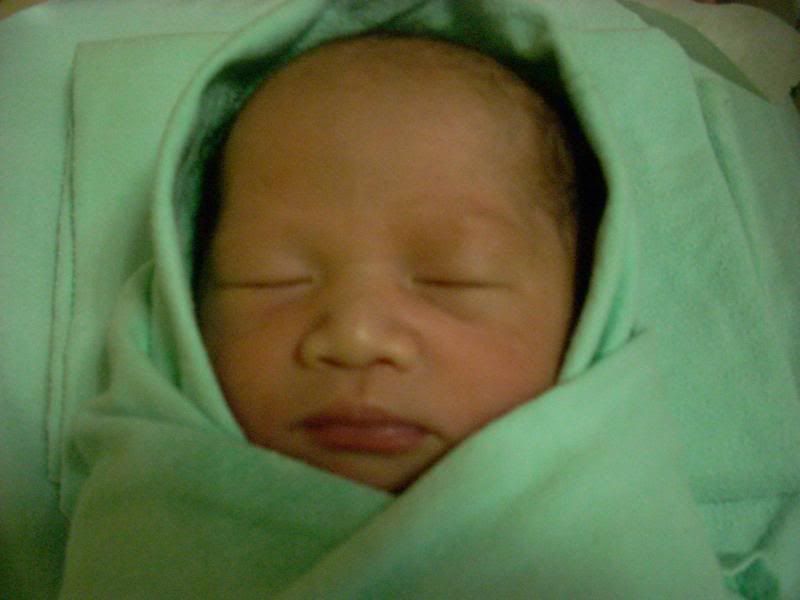
Ini baru Soleha.

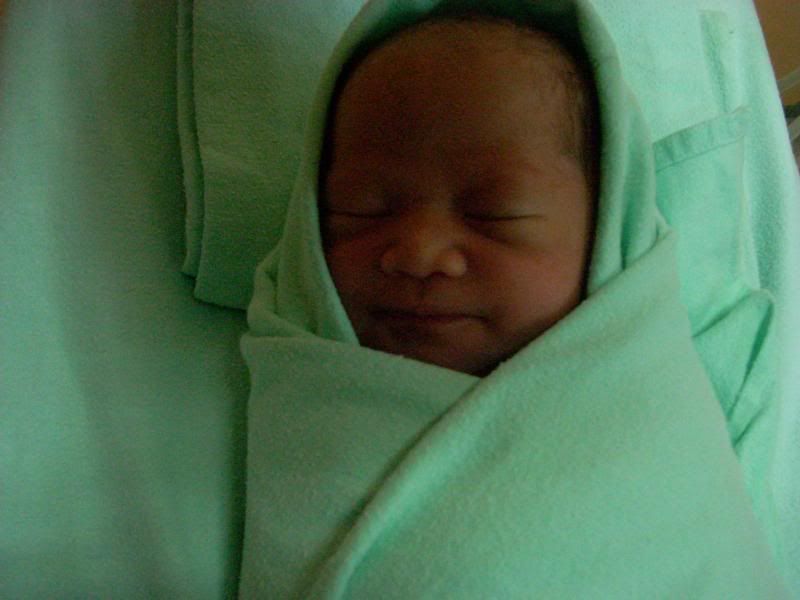
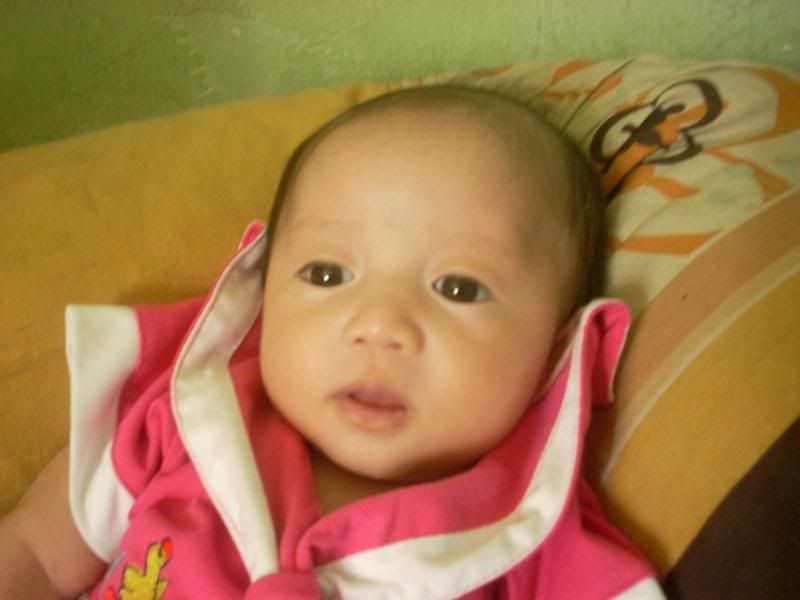
Hari-hari pertamanya.


Soleha lahir di HUKM


Soleha ni adik saya.


Hari ini genap Soleha 10 bulan.


Soleha lahir pada 5 Oktober 2009.


Soleha keluar ikut tingkap. Faham kan?


Kenapa namakan Soleha?


Mungkin impak sinetron Soleha yang ditayangkan ketika itu.

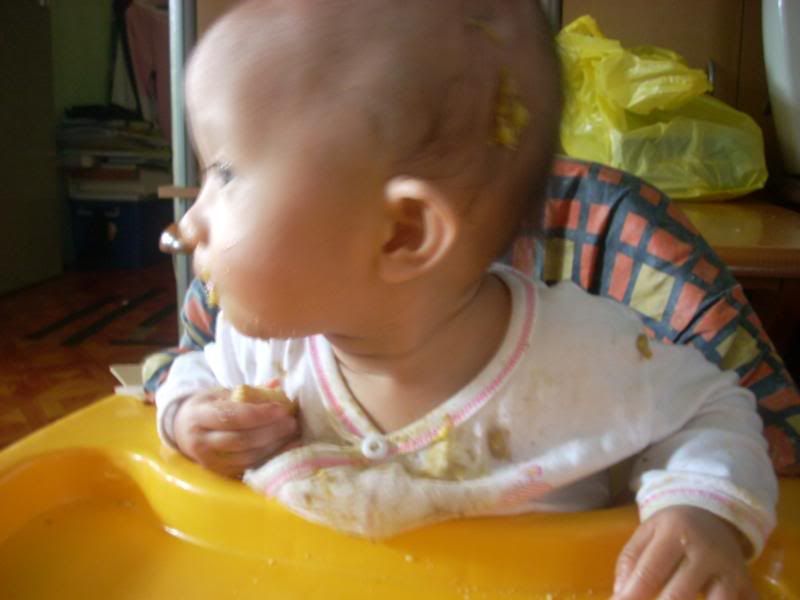
makan-makan

Soleha makan comot

ish ish

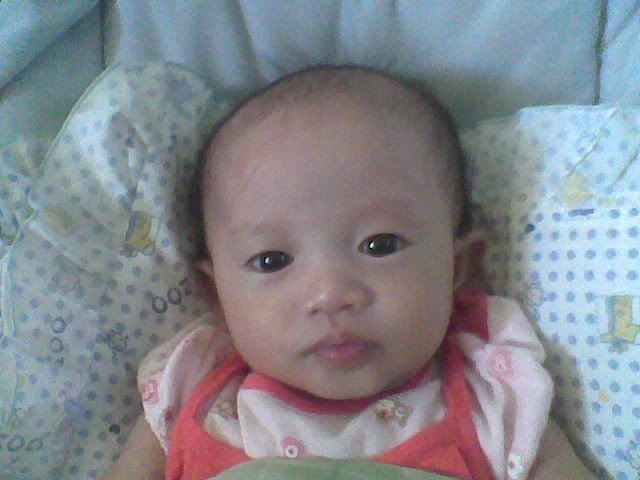
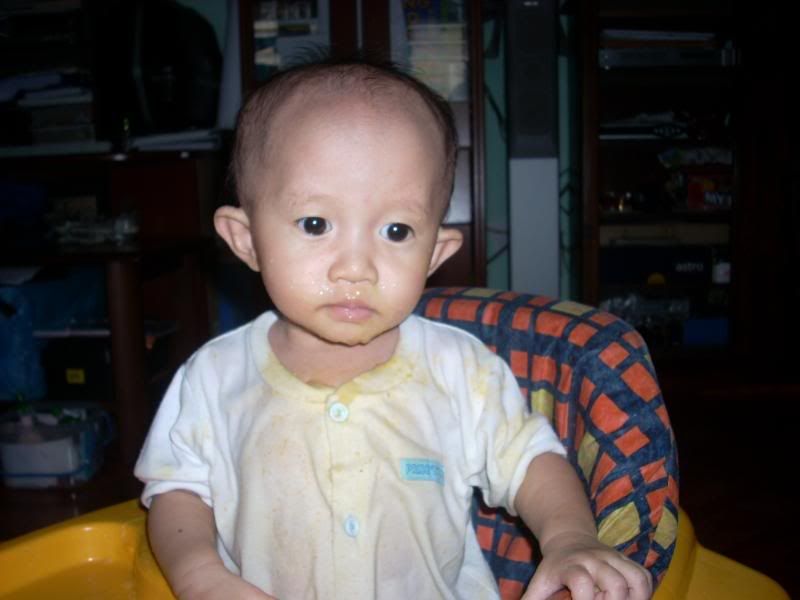
Gambar terbaru

Apapun, moga Soleha bakal jadi anak yang solehah.

Insya Allah.

p/s: Anak-anak ibarat kain putih. Kitalah yang mencorakkannya.


Arabic Series 3

7. "My native language has a lot of similar words to Arabic, so when I read the Qur'an I get the gist of what its saying. Why should I bother to learn the Arabic then?"
This are very common misconception. When words travel from one language to another they change in meaning. So, in Arabic, if a word is the same and even it is spell exactly the same way as it is in your native language, it is no guarantee that it means the same exact thing.

I give you an example. The word 'Ihsan' in Arabic means 'excellence', 'to do ones best'. In the word 'Ihsan' in the Urdu language for example, it means 'to do one a favour'. A completely different words. Now, the word is use in the Quran and it is use in the Arabic sense meaning excellence. But if an Urdu speaks or read it and says, 'Hey, I know this word, it means favour'. Then they are misunderstanding with the Quran sync.

So just because you have common words from the Arabic language that doesn't mean you actually know the meaning of those words in the Arabic language. Take it a step further, even the classical Arabic, its connotation of certain words are different from those same exact words in modern Arabic.

So, we have to specifically study the Arabic of the Quran.

8. "If I'm already learning Arabic vocabulary, why do I have to learn grammar - especially when I'm already learning the meanings of the words?"
Language is more than just the meaning of words. Language is how words come together and form new meanings. You think about it this way. If you know the word "give" in English, you know what that means already .And if you know what the word "up" means, you know what direction its talking about.

But when I say "give up". It's a completely different meaning. It has nothing to do with "give" or with "up". It came up and form a new meaning that didn't exist in isolation.

So, just because you learn words in the Quran in isolation or Arabic words in isloation, that isn't a substitute or that isn't in itself enough for you to ignore the concept of grammars, expressions,syntax, language that have to be learnt especially when it comes to the book of Allah s.w.t

9. "What's the best translation of the Qur'an?"
I get asked this a lot. What's the best translation of the Quran? And I used to have an answer to that. But I can't in all honestly recommend a translation anymore. And I'll tell you why.

In the very beginning of this series of questions I share with you that people say, what's lost in translations? What's lost in translation is so powerful and so monumental in size that if I suggest to you that the translation is going to be justice to what Allah is saying in the Arabic, I would be selling the Quran shortly.

The only thing I can recommend as far for the translation is that the English translation of the quran is recommended only for Arabics students who are trying to figure out what did translator have in mind when he was addressing this particular issue or that particular issue.

So, you look at 4 translation, not one. You look at all of them that you can find, and you look at each of them and see what Arabic principle did the translator address in this translation or what did he failed to address in this translation.

I don't recommend translation of Quran for people that aren't studying Arabic at all. If you want to understand the Quran without being the student of the Arabic language, or being student of tafseer, read the tafseer, read the english tafseer, listen to the syeikh give tafseer of Quran. This is the better way and more productive way for you to learn the Arabic language and learn things about the Quran than just raw reading of translation. InsyaAllah


Give Thanks To Allah


My 9 year old sister seems to memorize this song. I am quite impress since she manage to sing the English song very well. Including the Arabic part. Not to say that its good to memorize a song, but somehow she learnt how to speak English. Maybe because she thought that the song was sang by Michael Jackson. She asked about Michael Jackson quite a lot too. Below is the complete lyrics:

GIve Thanks to Allah
by Zain Bikha

Give thanks to Allah,
For the moon and the stars
Prays in all day full,
What is and what was
Take hold of your iman
Don't givin to shaitan
Oh you who believe please give thanks to Allah.
Allahu Ghefor Allahu Rahim Allahu yuhibo el Mohsinin,
Hua Khalikhone hua Razikhone whahoa ala kolli sheiin khadir

Allah is Ghefor Allah is Rahim Allah is the one who loves the Mohsinin,
He is a creater, he is a sistainer and he is the one who has power over all.

Give thanks to Allah,
For the moon and the stars
Prays in all day full,
What is and what was
Take hold of your iman
Don't givin to shaitan
Oh you who believe please give thanks to Allah.
Allahu Ghefor Allahu Rahim Allahu yuhibo el Mohsinin,
Hua Khalikhone hua Razikhone whahoa ala kolli sheiin khadir

Allah is Ghefor Allah is Rahim Allah is the one who loves the Mohsinin,
He is a creater, he is a sistainer and he is the one who has power over all.